
Top 10 Cosmetics Manufacturers in France & Europe
The European cosmetics industry sets the global benchmark for quality, creativity, and science‑backed innovation. From luxury fragrances and dermatological skincare to salon haircare and mass‑market makeup, European manufacturers consistently raise the bar on safety, sustainability, and efficacy. France remains the spiritual home of beauty with deep roots in perfumery, pharmacy‑led skincare, and luxury, while Germany, Spain, Italy, the UK, Switzerland and others contribute world‑class strengths in research, natural formulations, and prestige fragrance.
What keeps Europe on top is a balanced playbook: long‑term brand building, disciplined R&D, and agile execution across omnichannel retail and digital. As consumers lean into clean ingredients, transparent labeling, inclusive shade ranges, and eco‑conscious packaging, Europe’s leaders are reshaping portfolios and supply chains to stay ahead.
Leading Cosmetics Manufacturers in France & Europe
1) L’Oréal S.A. (France)
L’Oréal solidifies its leadership in the European beauty industry through its streamlined four-division structure: Consumer Products, Luxe, Professional, and Dermatological Beauty. This lineup spans everyday favorites like L’Oréal Paris, Garnier, and Maybelline, alongside premium icons such as Lancôme, YSL Beauté, Kérastase, La Roche-Posay, CeraVe, Vichy, and SkinCeuticals.
What truly sets L’Oréal apart is its pioneering “Beauty Tech”, from virtual try-ons and AI-powered skin diagnostics to data-driven product innovation. Bolstered by cutting-edge R&D across 20+ global centers and ambitious sustainability initiatives like “L’Oréal for the Future,” the company channels these insights into faster innovation cycles, precise shade matching, and eco-friendly packaging with reduced environmental footprints. Its geographic diversity, balancing ~40% revenue from Europe with strong shares in the Americas and Asia-Pacific, ensures resilient growth, even as consumer preferences shift toward personalization, e-commerce, and clean beauty.
This gives L’Oréal unmatched edges: unrivaled brand breadth across price points, tech-enhanced consumer experiences, pharmacy-channel dominance in dermocosmetics, and a disciplined sustainability roadmap targeting carbon neutrality by 2050.
2) Beiersdorf AG (Germany)
Beiersdorf AG, headquartered in Germany, blends mass-market appeal through NIVEA with robust dermocosmetic offerings like Eucerin and Aquaphor, plus prestige skincare via La Prairie. This diversified portfolio drives balanced growth across pharmacy and mass channels, even in shifting retail dynamics.
A key pillar of its strength lies in strategic manufacturing upgrades, highlighted by the state-of-the-art Leipzig plant. Boasting capacity for up to 450 million products annually, this facility leverages full automation, energy efficiency, and near-CO₂-neutral operations powered by 100% green energy, fortifying Beiersdorf’s industrial backbone for sustainable, scalable growth.
These elements deliver clear edges: deep science-backed skincare credibility, extensive pharmacy reach, modernized European manufacturing, and consistent sustainability execution.
3) Clarins Group (France)
Clarins Group, a family-owned French powerhouse since 1954, seamlessly blends its spa heritage with innovative, plant-based sensorial skincare, highlighted by flagships like Double Serum, aromatic body oils, and targeted anti-aging solutions.
This independence fuels long-term commitments to responsible sourcing through the Domaine Clarins open-air laboratories and a robust traceability platform, allowing consumers to follow ingredients from field to finished jar. Clarins amplifies its responsible beauty ethos in thriving travel retail and e-commerce channels, where eco-design innovations and compelling sustainability stories deeply resonate with global consumers and partners.
These strengths yield distinct edges: proven plant-powered efficacy, an authentic heritage spa narrative, and values-driven traceable sourcing that perfectly aligns with rising clean beauty expectations.
4) Puig (Spain)
Barcelona-based Puig stands as a prestige fragrance and beauty powerhouse, masterfully balancing iconic legacy labels like Paco Rabanne, Carolina Herrera, Nina Ricci, and Jean Paul Gaultier with strategic modern acquisitions and licenses.
The extended partnership with Charlotte Tilbury has supercharged Puig’s prowess in digital, social, and retail execution for color cosmetics, while relentless innovation ensures its owned brands remain culturally resonant. At its core, Puig excels through artisanal fragrance craftsmanship, selective distribution networks, and content-driven brand building that captivates global audiences.
These pillars deliver sharp edges: unparalleled fragrance artistry paired with contemporary brand building, a savvy mix of owned labels and licenses, and a robust DNA in social commerce.
5) Coty Inc. (European Operations)
Coty Inc. maintains a substantial European footprint, excelling in prestige fragrances through powerhouse licenses like Gucci, Marc Jacobs, Calvin Klein, Chloé, Hugo Boss, and Burberry, while anchoring consumer beauty with Rimmel and Sally Hansen.
Multi-year innovation pipelines across these licenses, paired with robust omnichannel coverage and revitalized marketing, tap into enduring momentum in the prestige fragrance category. This sharpened portfolio focus and enhanced execution continue to bolster Coty’s strong European performance amid evolving retail dynamics.
These strengths forge clear edges: an unparalleled fragrance licensing platform, comprehensive omnichannel retail coverage, and steadily improving fundamentals fueled by innovation and strategic focus.
6) Shiseido (European Operations)
Japan’s Shiseido anchors its European operations through a Paris-based EMEA hub, expertly managing global fragrance brands like Issey Miyake Parfums, Narciso Rodriguez, Serge Lutens, and Zadig & Voltaire, while distributing select skincare and makeup lines.
With R&D and manufacturing centered in France’s renowned Cosmetic Valley, Shiseido fuses Japanese skincare precision with European artisanal craft and selective distribution networks. This approach enables tailored textures, resonant storytelling, and premium standards that captivate local markets under a unified global luxury banner.
These capabilities deliver distinct edges: refined skincare heritage paired with niche fragrance artistry, plus localized innovation and production seamlessly integrated into a prestigious global umbrella.
7) Henkel AG & Co. KGaA (Germany)
Henkel Consumer Brands, part of Germany’s Henkel AG & Co. KGaA, bridges beauty care and home care with Schwarzkopf and Schwarzkopf Professional as cornerstones in salon and retail hair solutions.
The color science, comprehensive stylist education programs, and robust dual-channel presence of the group in salons and mass retail solidify its status as a category mainstay. Layered with operational discipline, a streamlined portfolio, and a forward-looking sustainability agenda, Henkel drives margin gains and strong cash flow in a competitive landscape.
These foundations create compelling edges: deep expertise in hair color and styling science, thriving stylist education ecosystems, and unmatched dual-channel strength.
8) LVMH Perfumes & Cosmetics (France)
Within LVMH’s expansive luxury universe, the Perfumes & Cosmetics division shines through powerhouses like Christian Dior, Guerlain, Givenchy, Maison Francis Kurkdjian, and Fenty Beauty with Dior Sauvage reigning as the world’s top-selling fragrance.
Sephora, meanwhile, fuels robust revenue and profit growth, capturing market share across key regions and fortifying LVMH’s retail dominance. This prestige-first strategy, rooted in tightly curated distribution, visionary creative direction, and rigorous brand stewardship, ensures enduring appeal in a crowded market.
These elements craft sharp edges: couture-grade brand artistry, selective distribution mastery, and Sephora’s omnichannel prowess that supercharges product launches and consumer discovery.
9) Estée Lauder Companies (European Operations)
Estée Lauder Companies anchors its European operations with integrated R&D, manufacturing, and prestige retail, powering a stellar portfolio that includes Estée Lauder, La Mer, Jo Malone London, and Tom Ford Beauty.
Europe stands as a cornerstone of the group’s luxury identity, where heritage stores, specialized fragrance hubs, and immersive brand experiences drive deep consumer engagement. Even amid macroeconomic pressures on certain channels, ELC’s diversified lineup and steadfast investments in cutting-edge innovation keep its iconic brands top-of-mind for discerning premium customers.
These pillars deliver enduring edges: iconic premium labels, sophisticated retail theater, and long-term commitment to product innovation and timeless brand equity.
10) Chanel Beauty (France)
Privately held Chanel Beauty masterfully pairs timeless fragrance icons like N°5, Coco Mademoiselle, and Bleu de Chanel with exquisitely refined makeup and skincare offerings.
Selective distribution networks and unwavering brand control safeguard its pricing power and aura of desirability, cementing Chanel’s role as the ultimate luxury benchmark. The brand’s signature visual language, minimalist packaging, enduring iconic codes, and sophisticated color stories, ensures lasting cultural resonance across generations.
These hallmarks forge unmatched edges: a century-long fragrance heritage, uncompromising luxury standards, and disciplined channel control that eternally preserves brand equity.
Innovation Trends Reshaping European Beauty Industry
Clean beauty and sustainable formulations have evolved from niche to necessity, with transparent ingredient lists and verifiable environmental metrics now setting the standard. Leading companies reformulate via green chemistry, roll out refillable and recyclable packaging at scale, and decarbonize operations through energy-efficient European plants that deliver both cost savings and eco-credentials.
Dermocosmetics and science-backed skincare surge ahead, capturing share with clinically proven formulas, pharmacist endorsements, and targeted treatments for sensitivity, acne, and aging. Consumers prioritize genuine efficacy at accessible prices, while healthcare-aligned distribution channels build unshakeable trust.
Digital beauty, personalization, and social commerce dominate discovery, making AR try-ons, AI skin diagnostics, and custom shade matching everyday tools. Data fuels smarter product design, while seamless content-community-commerce loops convert engagement into sales across e-commerce and specialty retail.
Inclusivity and diversity form the new baseline, from expansive shade ranges and diverse model casting to solutions for varied hair textures and skin tones. Age-inclusive campaigns and gender-neutral offerings widen appeal, fostering deeper loyalty and trust.
Finally, wellness and "beauty from within" bridge topical care with nutrition, stress management, and sleep science. As ingestible beauty accelerates, responsible innovation with robust, regulated claims ensures credibility in this tightly scrutinized space.
Strategic Challenges Facing European Manufacturers
Intense competition and market fragmentation pit luxury houses against American prestige giants, Asian skincare innovators, private labels, and agile D2C startups, all vying for shelf space and loyalty. While large groups safeguard flagship franchises and nurture niche lines or artist collaborations, mastery of fragrance licensing and social commerce emerges as pivotal battlegrounds.
Retail channels undergo rapid transformation, with e-commerce and social platforms surging while department stores consolidate. Specialty beauty retail holds sway, yet brands excelling in omnichannel inventory, click-and-collect, and seamless loyalty programs pull ahead of fragmented approaches. Travel retail rebounds but stays vulnerable to tourism fluctuations and geopolitical tensions.
Regulatory complexity and sustainability compliance loom large under harmonized EU mandates, requiring rigorous safety assessments, comprehensive product information files, and precise labeling. Chemicals regulations like REACH enforce strict substance controls, demanding airtight coordination from suppliers to final packaging.
Counterfeiting and gray market diversions plague premium fragrances and cosmetics, eroding trust and margins. Robust authentication tech, end-to-end traceability, and aggressive marketplace enforcement prove essential, particularly for high-equity luxury icons.
Shifting consumer loyalty challenges traditional models, as younger generations uncover brands through creators and online communities. Retention now rests on genuine authenticity, tangible value, and proven performance, where sampling sparks trials, but compelling routines and resonant storytelling drive full-size conversions.
Future Outlook: How European Beauty Stays on Top
Sustainability evolves into an industry standard, where brands deliver tangible environmental progress across sourcing, manufacturing, packaging, and end-of-life solutions, not mere promises. Measurable milestones, from carbon-neutral operations to fully circular economies, will separate leaders from laggards.
Science and technology anchor the next era, with breakthroughs in dermatology, biotech, and materials science powering revolutionary actives and sensorial textures. AI, AR tools, and vast data platforms will accelerate R&D while delivering hyper-personalized consumer experiences.
Portfolio strategies sharpen through ongoing incubation and targeted M&A, as European giants blend timeless heritage houses with agile, digitally native, and community-driven brands to capture diverse segments.
Global expansion accelerates toward high-growth Asia, Latin America, and Africa, demanding deep localization, culturally attuned storytelling, and strategic alliances with regional retailers and influencers.
Experience-led retail redefines engagement, with physical spaces offering immersive services like AI skin diagnostics, bespoke scent creation, and professional artistry, all fluidly linked to digital journeys. Prestige powerhouses and specialty chains will continually raise the experiential benchmark.
European cosmetics manufacturers masterfully fuse rich heritage with cutting-edge innovation like no other region. L’Oréal’s unmatched scale and Beauty Tech prowess, Beiersdorf’s science-driven skincare engine, Clarins’ plant-powered elegance, Puig’s fragrance artistry, Coty’s licensing mastery, Shiseido’s refined rituals, Henkel’s professional hair expertise, LVMH’s luxury ecosystems, Estée Lauder’s prestige portfolio, and Chanel’s timeless allure collectively reveal the profound depth and diversity of Europe’s beauty powerhouse.
The path forward holds real challenges: ruthless competition, stringent regulations, and savvy consumers who demand more. Yet Europe’s enduring advantages in superior quality, scientific rigor, creative flair, and meticulous brand stewardship provide a rock-solid foundation. By accelerating sustainability efforts, leaning into digital personalization, and placing inclusivity front and center, European beauty will keep shaping global benchmarks, delivering products that truly empower people to look and feel their absolute best.
Related Articles
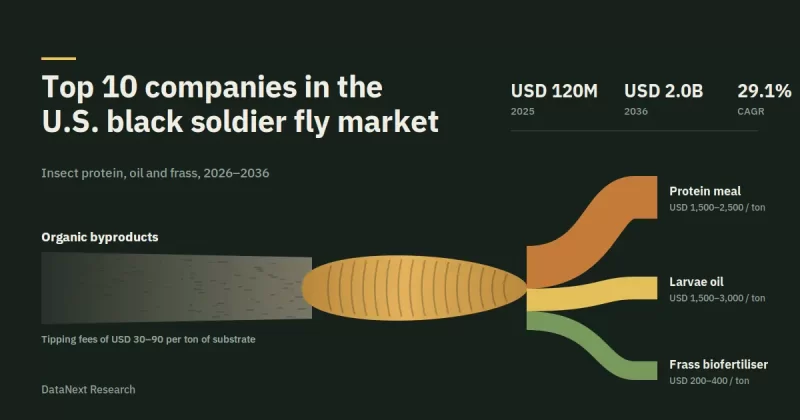
Top 10 Companies in the U.S. Black Soldier Fly Market
The top 10 U.S. black soldier fly companies in a market heading to USD 2.0 billion by 2036 — EnviroFlight, InnovaFeed, Protix, Entobel and more, ranked.
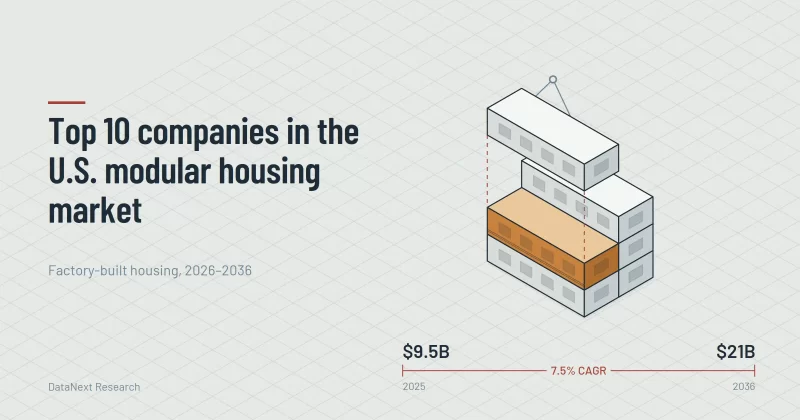
Top 10 Companies in the U.S. Modular Housing Market
Discover the top 10 U.S. modular housing companies driving growth to USD 21 billion by 2036 — Clayton Homes, Champion Homes, Cavco, Fading West and more.
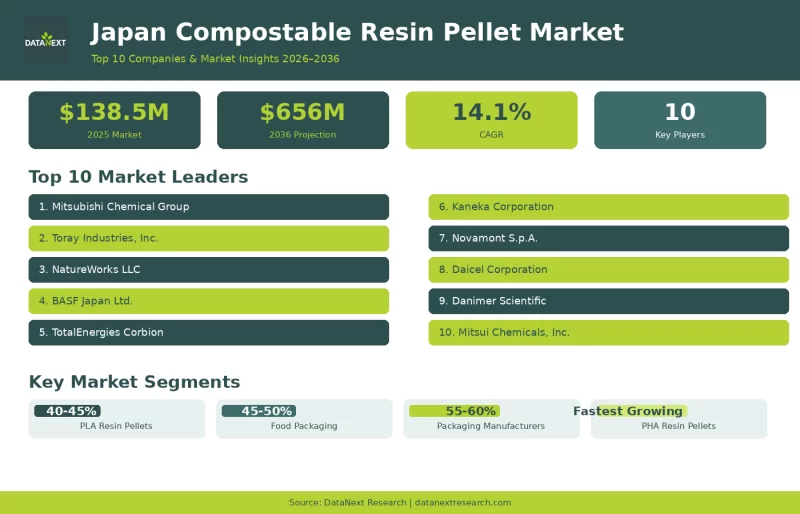
Top 10 Companies in the Japan Compostable Resin Pellet Market
Discover the Top 10 Companies in the Japan Compostable Resin Pellet Market driving growth to USD 656M by 2036, advancing PLA, PHA & bio-based packaging innovation.